Many people eventually face the issue of dental implant placement. This is a complex procedure that requires following specific recommendations to increase the chances of successful integration. However, there are cases when a patient notices their implant feels loose. Let’s explore why this can happen and what steps to take. First and foremost, it’s essential to consider how much time has passed since the implant was placed, as this timing greatly influences how you should interpret any looseness.
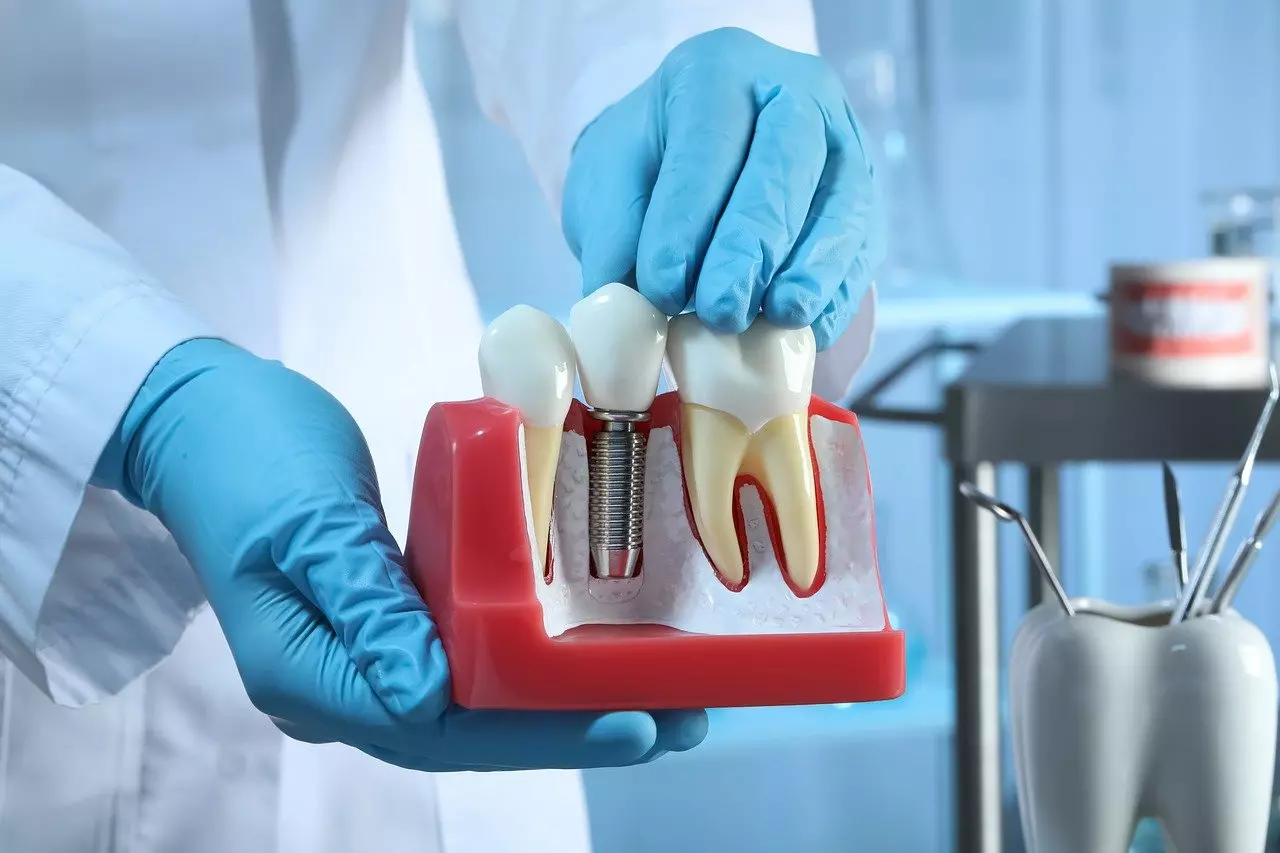
For example, if the implant moves slightly right after the procedure, it’s usually not a cause for concern. In most cases, the bone tissue is still relatively weak and soft, so slight movement will disappear over time. It’s also possible that the dentist made the opening for the implant a bit wider than necessary. Still, there’s no need to worry: this typically resolves on its own as the site heals.
However, if looseness occurs not immediately but a few weeks or even months after the surgery, this might indicate that the implant hasn’t fused properly or that another complication has developed. In such instances, it’s best to consult your dentist.
One more important detail: if the implant starts to feel loose more than a year after placement, you need to determine what exactly is moving—only the upper part (the crown) or the entire structure (the implant and crown together). To make a proper assessment, visit your dentist. If the issue is confined to the crown alone, it can usually be fixed quickly.
Why might a dental implant fail to fuse?
There are numerous factors that can affect implant fusion. Some relate to the patient, while others depend on the dentist. For instance, the dentist is responsible for selecting the appropriate type of implant, conducting thorough diagnostics, creating a detailed treatment plan, maintaining sterility, and using proper placement techniques. Any lapses in these areas can lead to implant rejection, which is why choosing a qualified dentist and a reputable clinic is crucial.
As for patient-related factors, they often involve lifestyle limitations. For example, it’s advisable to avoid smoking and alcohol consumption, strenuous physical activities, and visiting baths, saunas, or spas for a certain period.
How to know if the implant is fine and healing properly
Generally, if two to four weeks pass and you experience no discomfort, it’s highly likely your implant is integrating well. This initial two-to-four-week window is the main period when the implant fuses with the bone. After that, you should continue to be cautious for about six months, making sure not to accidentally damage or loosen the surrounding bone tissue that supports the implant.